Kick-off of the 5th YLIP Cohort
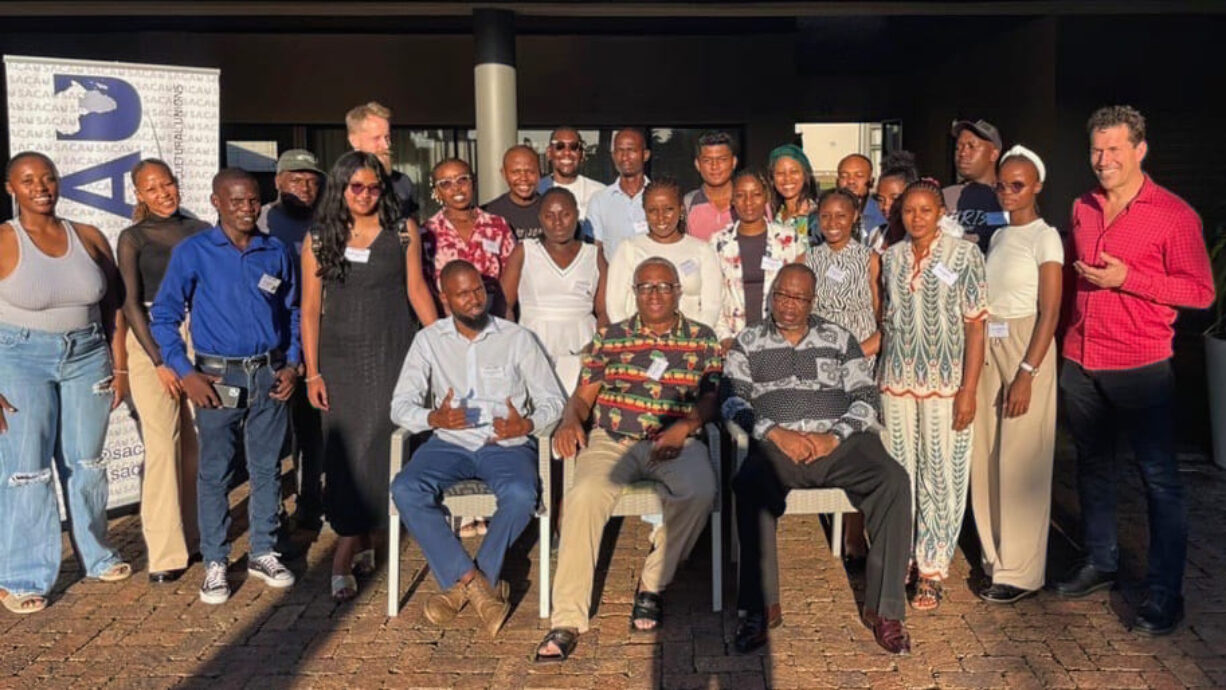
The 5th cohort of the Young Leaders Incubation Programme (YLIP), a joint initiative by AHA and the Southern African Confederation of Agricultural Unions (SACAU), kicked off in January 2026—and it’s already buzzing with energy. Participants are diving into interactive online sessions, exchanging ideas across countries and sharpening their leadership skills in real time. In April, the programme shifts into its next phase with Module 2, where the focus turns to hands-on application and tackling real-world challenges. YLIP continues to bring together driven young leaders who are not just learning about change, but actively making it happen in agriculture.
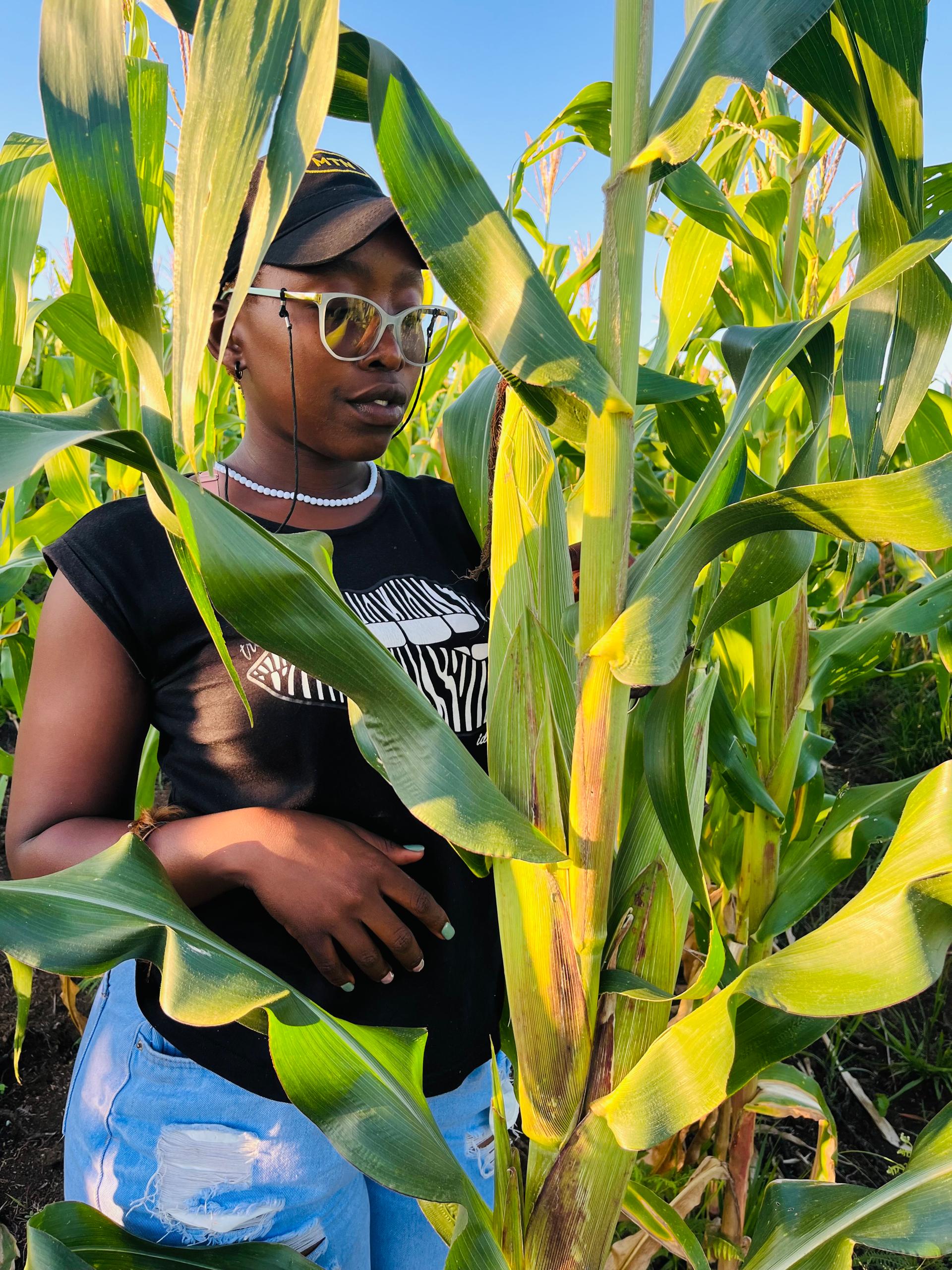 My name is Fezile Fundile Tembe, founder of Sethu’Sipho Farm in the Kingdom of Eswatini, Southern Africa. I have been working as a farmer for five years, focusing on horticulture, dairy, and grain production. I am also a youth advocate under ESNAU.
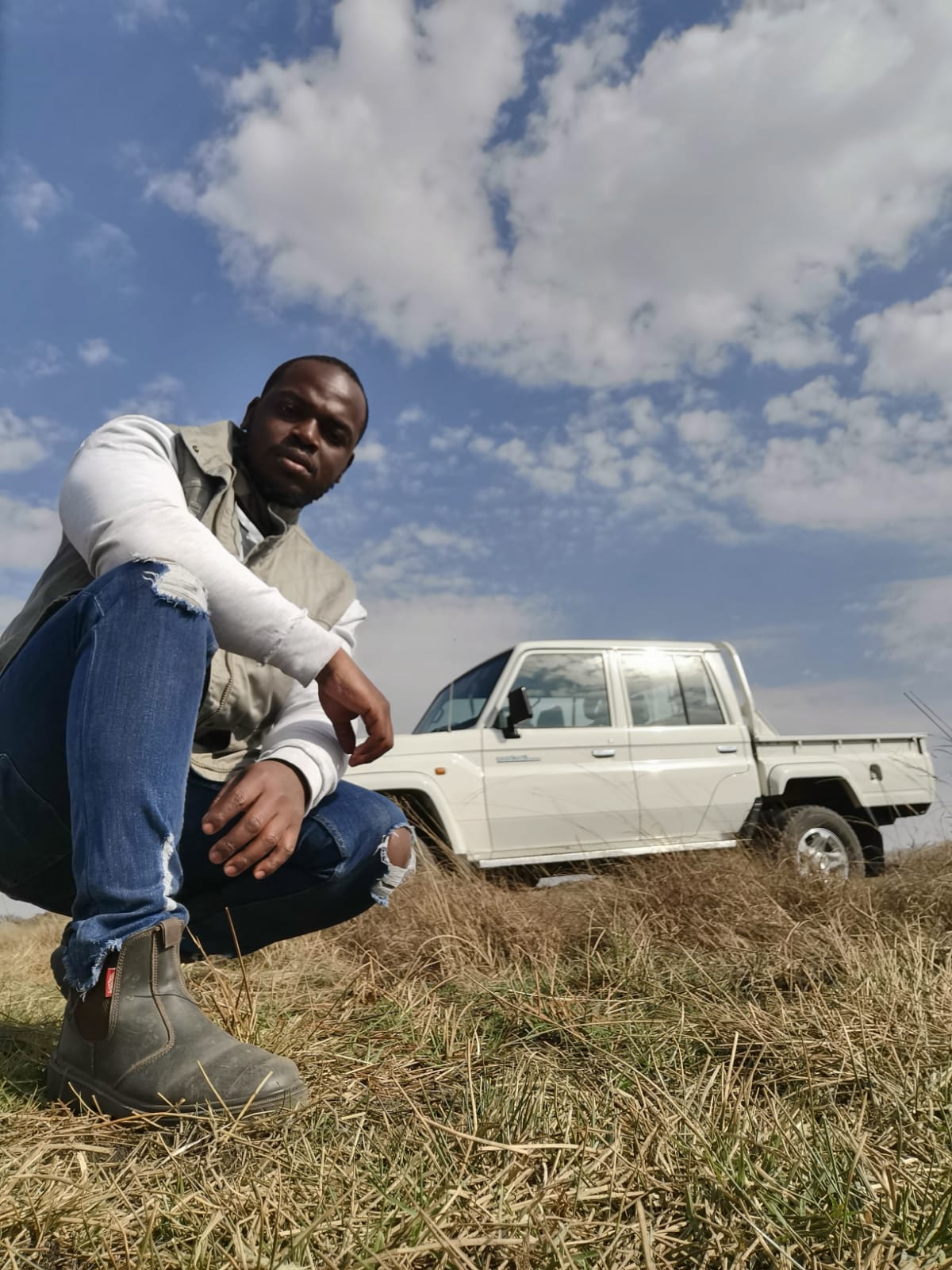 Mxolisi Mthombeni is a farmer based in Mpumalanga, South Africa. Born into a farming family, he is involved in grain production on around 600 ha, manages 282 head of Bonsmara cattle, and is involved in the cultivation of 15,000 apple trees in his family’s orchards, as well as essential oil production.
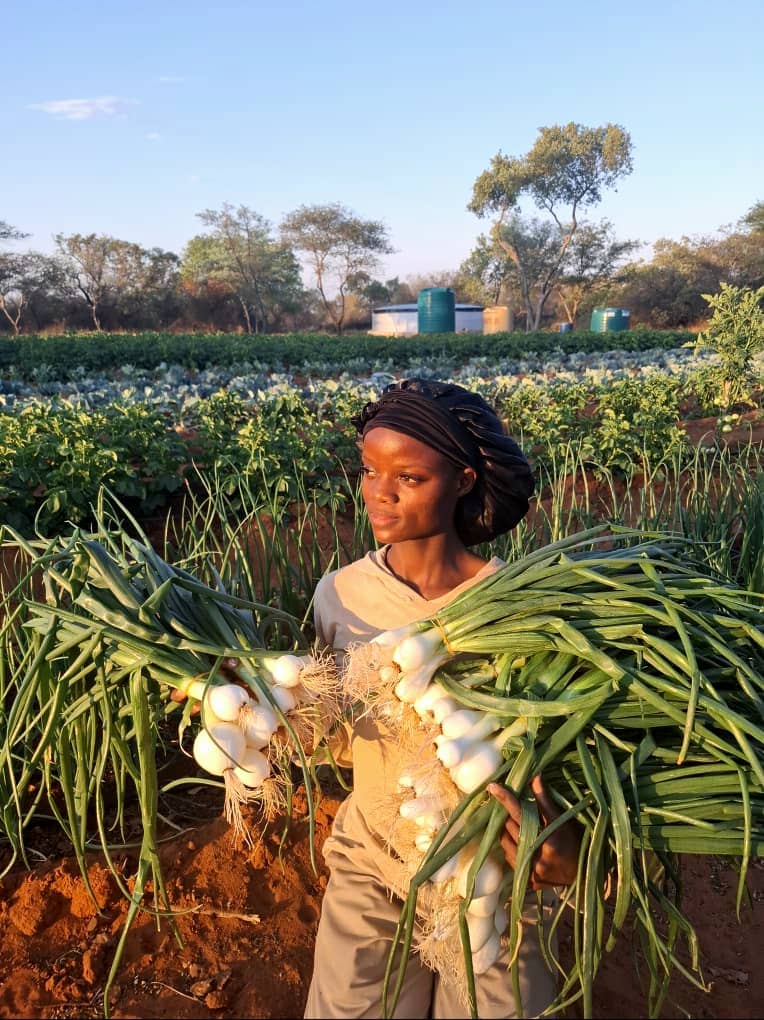 At Green Haven, we specialize in 100% organic farming to ensure that our produce is naturally grown and free from harmful chemicals. This organic niche is important because it promotes healthier food for consumers while preserving the environment.
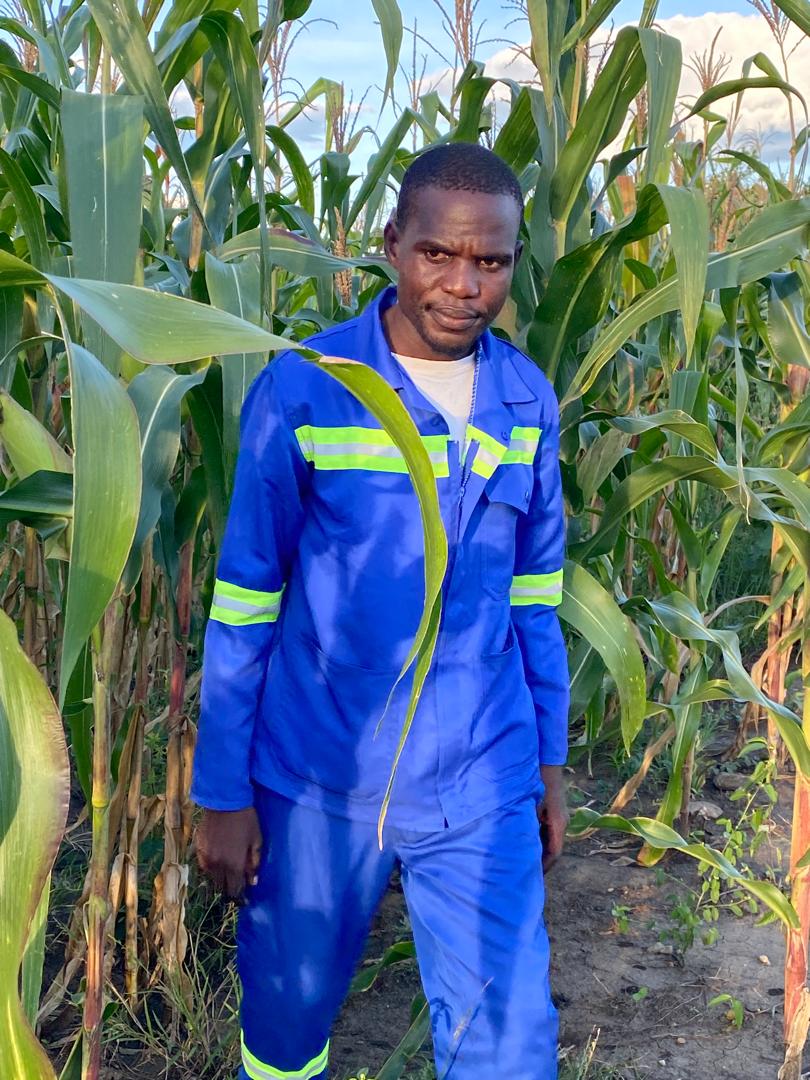 My name is Titus Mwale, a young farmer based in Nyimba District in Eastern Province, Zambia. I am both a practicing farmer and an agricultural development practitioner, currently serving as the District Coordinator for the Nyimba District Farmers Association.