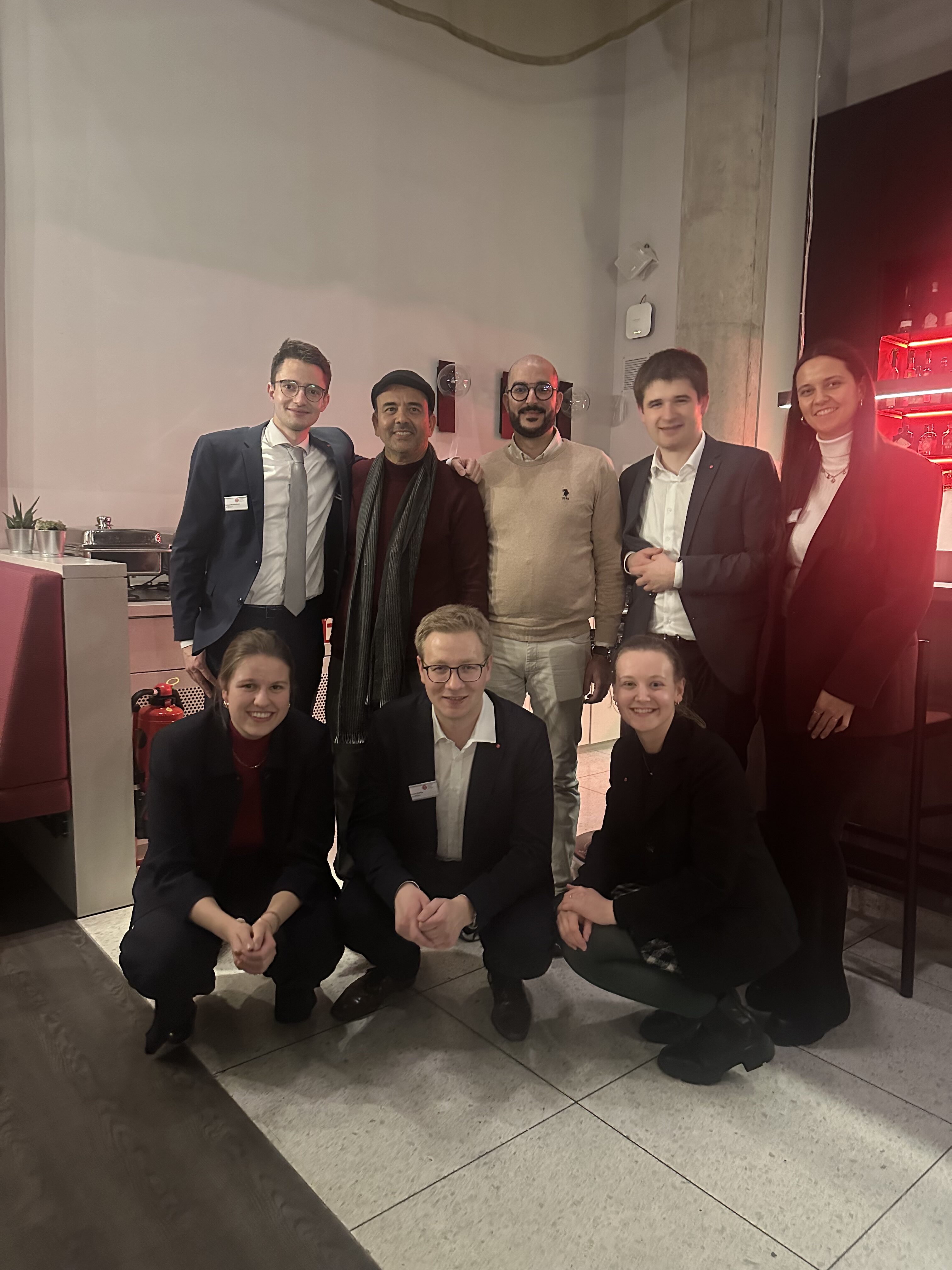
As the course progressed, this perspective expanded to the European and international level. Conversations in Brussels, Paris, and Rome made it clear that agricultural practice can no longer be understood in purely national terms. Participants engaged with European agricultural policy, entered into dialogue with associations and institutions, and gained insights into international cooperation in the fields of agriculture and food.
A particularly formative part of the international learning journey was the trip to Tunisia. There, agriculture could be experienced in all its breadth – from olive oil producers to a beekeeping operation and dairy, through to seed multiplication and livestock farming. The focus was not only on different forms of production, but also on the question of how value creation is organised and at which points viable business models emerge from agricultural products. One especially memorable visit was to a women-led company that collects honey from several parts of Tunisia and markets it professionally. Encounters like these opened up new perspectives on entrepreneurship, marketing, and the role of women in agriculture. Alongside the professional insights, the cultural experience of the trip to Tunisia also left a lasting impression. The group was travelling during Ramadan and, as a result, gained insights into everyday social life on the ground. Breaking the fast together in the evening vividly showed how closely agriculture, culture, and social life are intertwined.
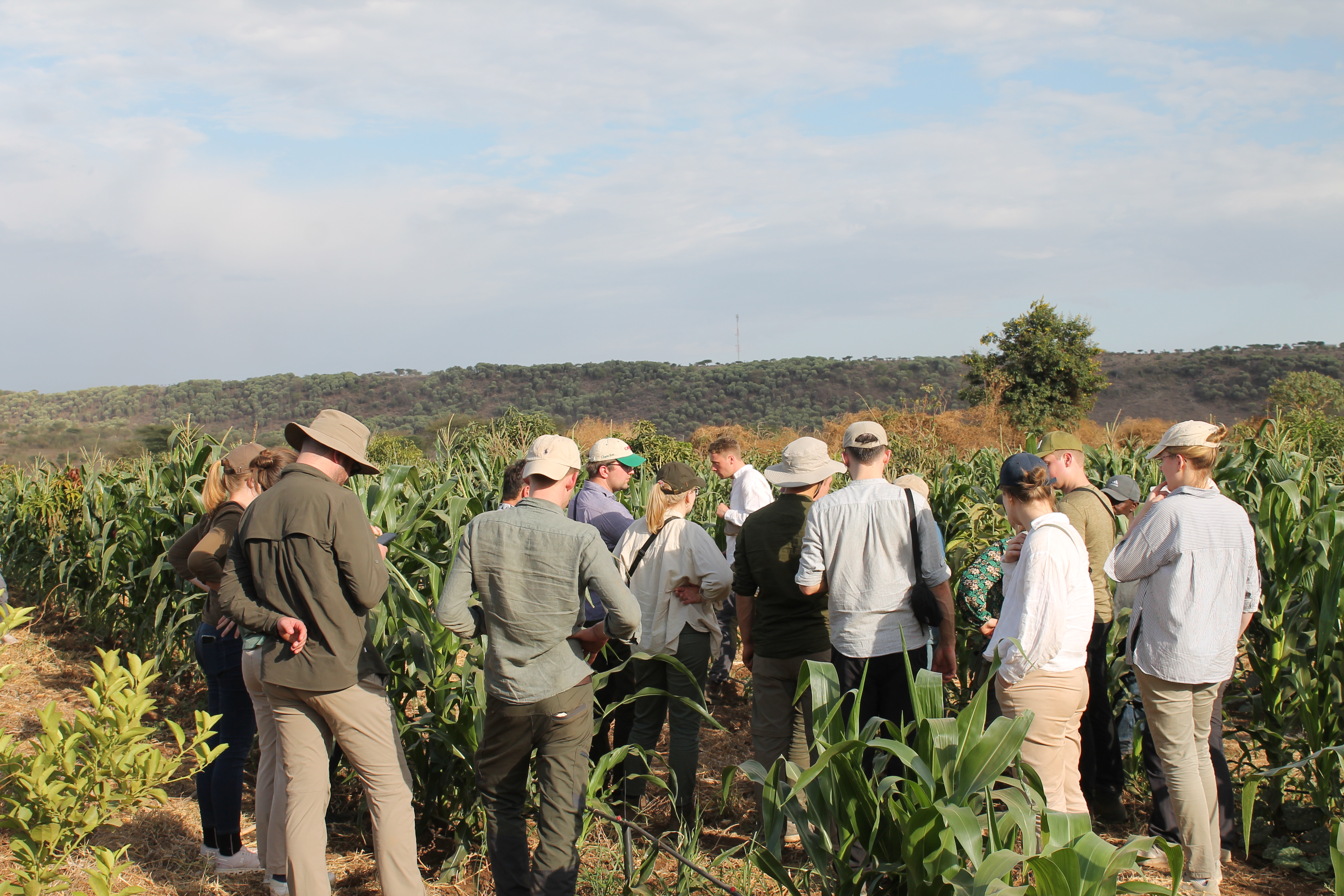
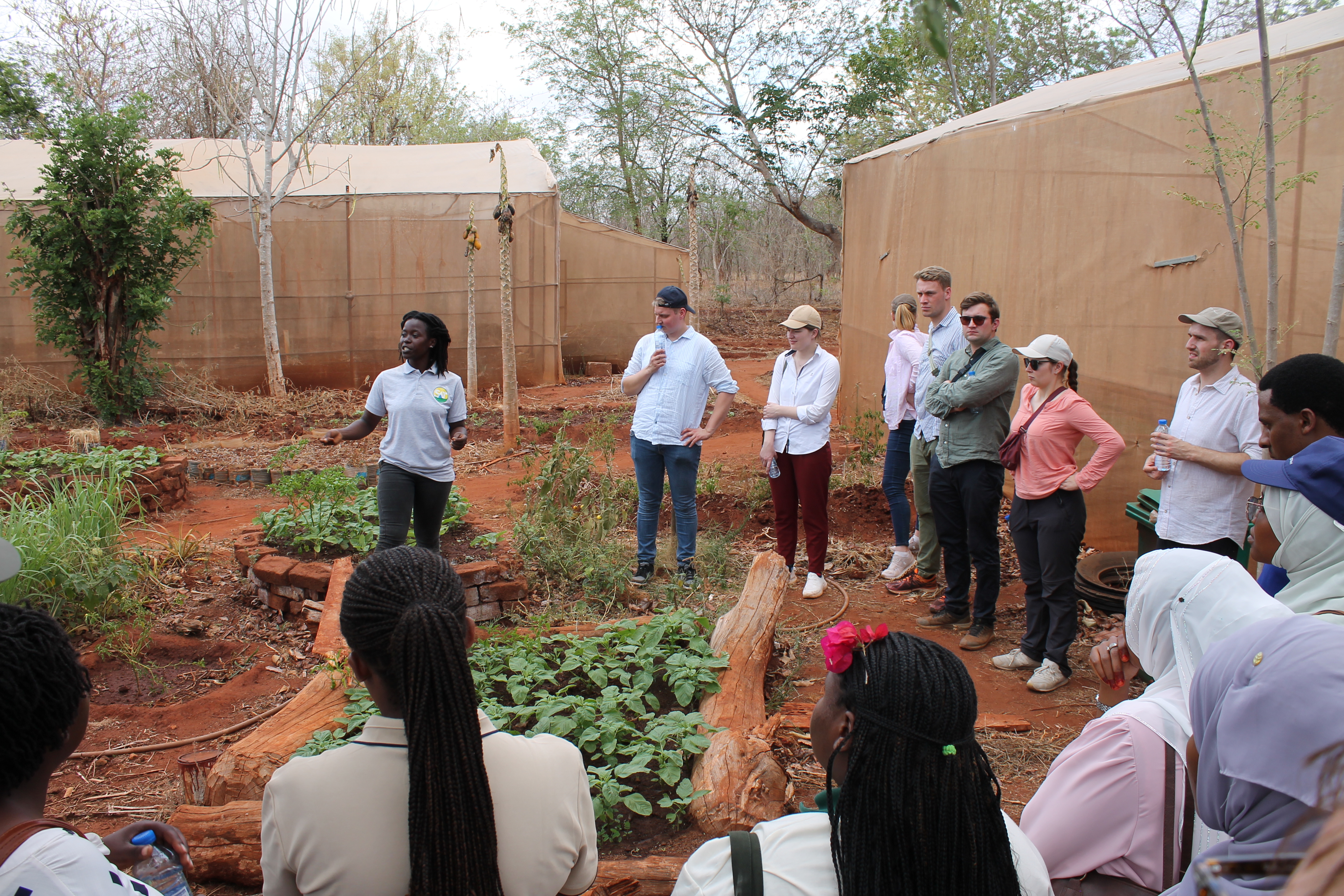
A few months after the TOP Kurs seminar period, another in-depth study trip with AHA followed. With financial support from the Federal Ministry of Agriculture, Food and Regional Identity (BMLEH), participants from the 2024 TOP Kurs travelled to Tanzania in November and December 2025. There, they focused in particular on generational change in agriculture, the prospects for young people in rural areas, as well as questions of sustainable production and market access. It became clear that the issue is not a lack of young people, but rather a lack of entrepreneurial development opportunities and reliable farm succession structures. Where young people have access to training and practical knowledge, they bring innovation, a stronger entrepreneurial spirit, and a broader perspective on the entire value chain. At the same time, the trip showed how important resilient production systems are. Mixed cropping, agroforestry systems, adapted irrigation, and local knowledge all help in coping with drought, soil erosion, and climatic fluctuations. It also became clear that economic success is not created in the field alone: functioning value chains, strong organisations, and reliable market access are crucial – as are advisory services, infrastructure, and cooperation.