German development cooperation is undergoing major change, and with it its scope, its orientation, as well as the structures and programmes of the ministries active internationally. The fact that business is increasingly moving to the forefront is forward-looking and the right step. Only if the agricultural and food sector functions well for all participants, including in a global context, will we be able to meet the major challenges of our time.
But what are the interests of German SMEs that trade with Africa, export agricultural technology or crop protection products, and import agricultural raw materials? What are the challenges in building sustainable distribution networks and customer relationships? What are the obstacles to sustainable sourcing, especially from the small-scale farms and cooperatives that make up the majority of producers in Africa? And what role does the professionalism of people, businesses and cooperatives play in ensuring that they can engage with customers as equals and become attractive partners and sustainable suppliers for German SMEs in the agricultural and food sector?
As AHA, after nearly 20 years of strengthening African farmers in the areas of entrepreneurship and leadership, and after more than 10 years of supporting the professionalisation of politically and economically active associations, cooperatives and businesses, we want to make our experience, networks and expertise available to business partners as well in this newly aligned development cooperation landscape.
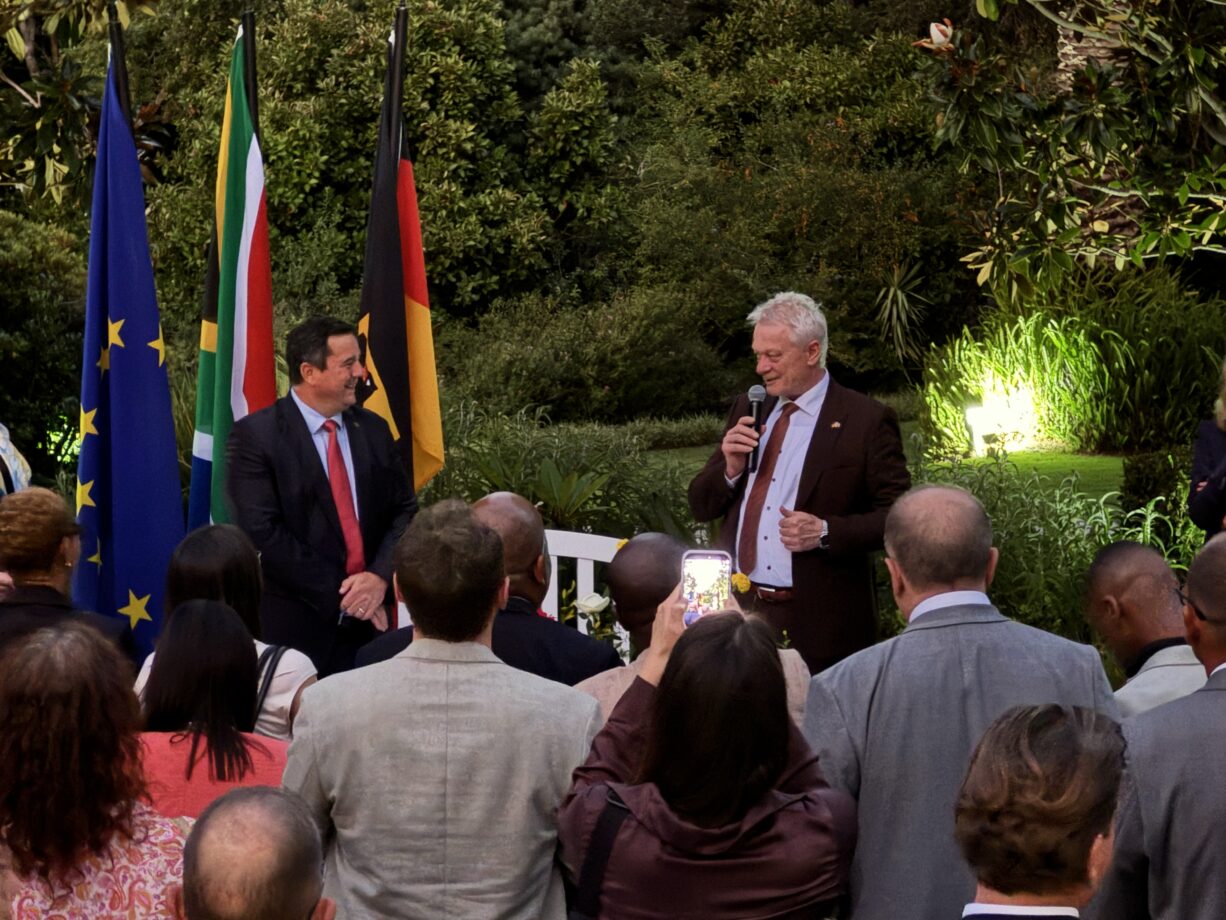
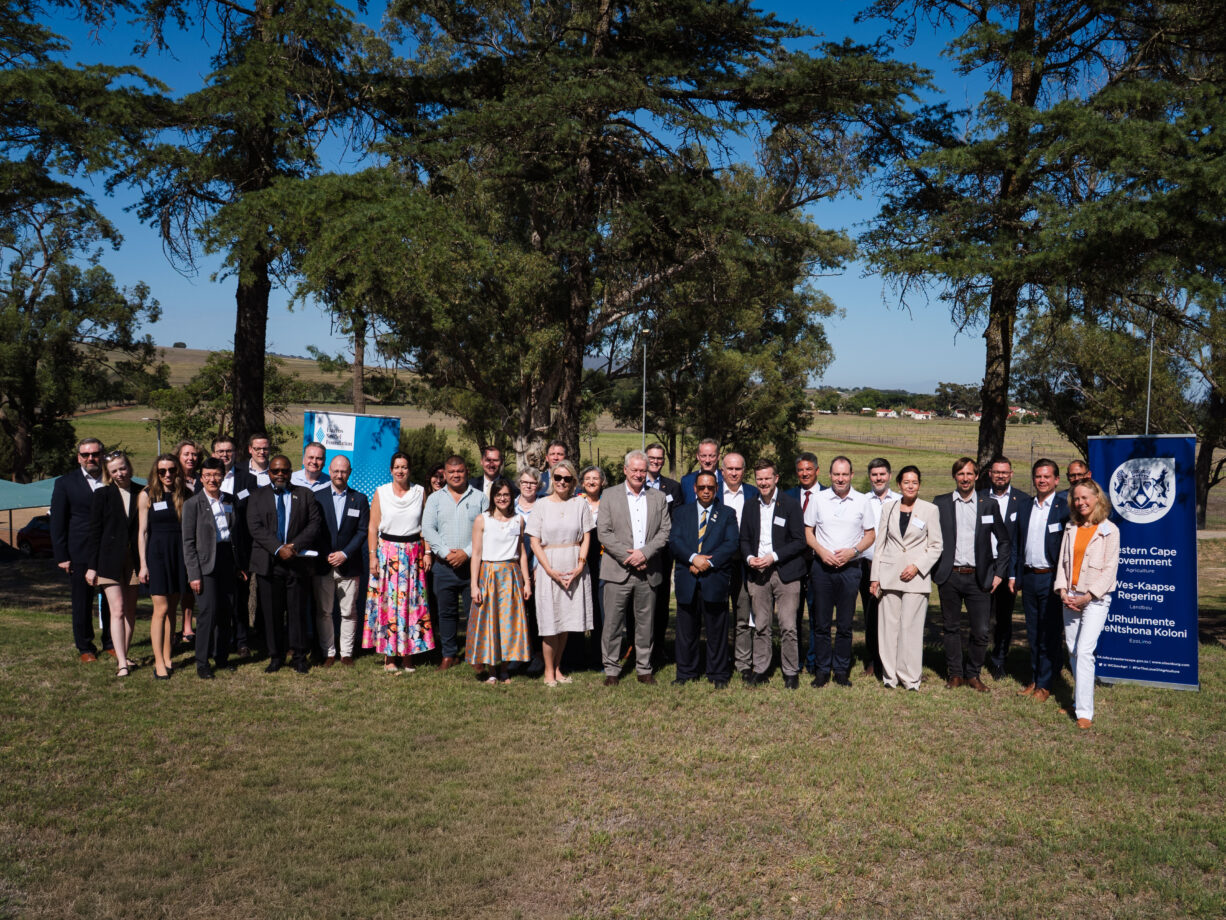
At the end of March, we travelled to South Africa together with Federal Minister Alois Rainer and a business delegation. The Federal Ministry of Agriculture, Food and Regional Identity (BMLEH) had organised an exciting combination of visits and opportunities for exchange in order to bring the new export strategy to life. From the AHA perspective, key takeaways included the exciting approaches in the bioeconomy, especially in the field of circular agricultural systems. A wide range of approaches is emerging here that offers room for development, particularly for young, creative entrepreneurs. What was especially interesting for us was that in South Africa too, startups often fail in the transition from research to business once funding ends because there is a lack of solid organisational development. The issue of soft skills, personal development and holistic education came up again and again. In personal conversation, the Western Cape Minister of Agriculture expressed deep concern about being able to offer support to farmers at the very point where they risk falling victim to the harsh winds of global competition. In discussions on the core topic of “jobs,” it also became clear time and again how important it is to equip young people both for life as employees and as entrepreneurs. The reference to the young leaders whom we have been training for the past five years under the Young Leaders Incubation Programme (YLIP), funded by the Federal Ministry for Economic Cooperation and Development (BMZ) for SACAU, the regional farmers’ organisation, opened up further conversations.